Youth Activism in 2026: A Time-Sensitive Look at Emerging Social Justice Movements in the U.S.
The year 2026 stands as a pivotal moment for social justice in the United States, largely propelled by the relentless energy and innovative strategies of young activists. As global challenges intensify and societal inequities persist, the voice of the youth has grown louder, more organized, and undeniably influential. This article delves into the heart of youth activism 2026, examining the key movements, the driving forces behind them, and their profound impact on the American social and political landscape. We will explore how young people are not just participating in existing movements but are actively shaping new ones, leveraging technology, and demanding accountability from institutions and leaders.
The Shifting Landscape of Youth Engagement
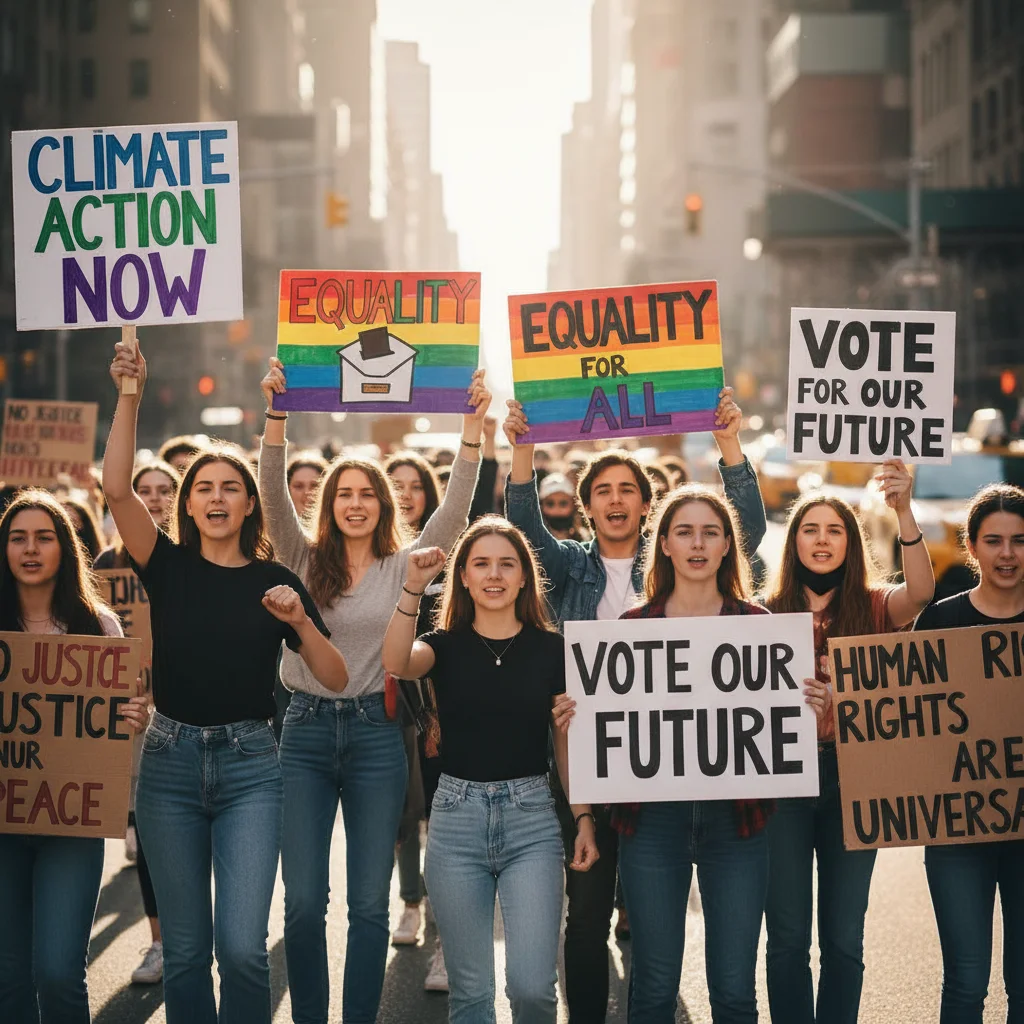
The traditional image of activism, often associated with street protests and large-scale demonstrations, remains a significant component of youth activism 2026. However, the current generation of young changemakers, largely comprising Gen Z and younger Millennials, has redefined the scope and methods of advocacy. Their engagement is multifaceted, encompassing digital campaigns, community organizing, policy advocacy, and even cultural shifts. This holistic approach allows for a broader reach and a more sustained impact, moving beyond sporadic bursts of protest to create enduring change.
Digital Natives, Digital Activists: The Power of Online Platforms
One of the most defining characteristics of contemporary youth activism 2026 is its seamless integration with digital technology. Social media platforms, once viewed primarily as tools for personal connection, have evolved into powerful arenas for mobilization, awareness, and direct action. Young activists excel at crafting compelling narratives, utilizing viral content, and organizing rapid-response campaigns that can reach millions in a matter of hours. Platforms like TikTok, Instagram, and even emerging decentralized social networks serve as vital hubs for sharing information, coordinating events, and amplifying marginalized voices. This digital prowess allows movements to transcend geographical boundaries, fostering a sense of global solidarity among young people fighting similar battles.
Advertisements
From Hashtags to Real-World Impact: Bridging the Divide
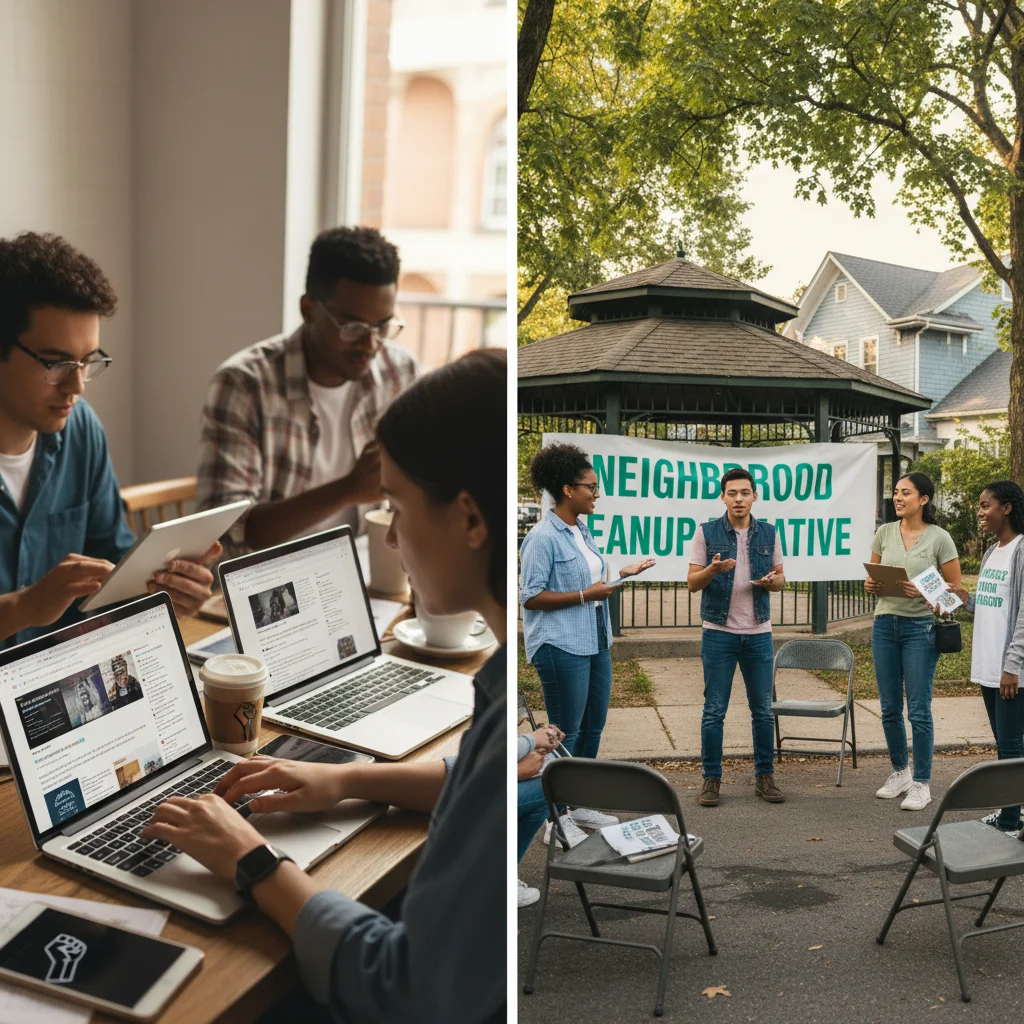
While digital activism is crucial, it’s merely one facet of the broader movement. Young activists understand the importance of translating online momentum into tangible real-world outcomes. In 2026, we see a sophisticated interplay between digital campaigns and on-the-ground organizing. A viral hashtag can quickly lead to a well-attended protest, a successful petition can influence policy discussions, and online fundraising drives can provide essential resources for grassroots initiatives. This strategic blending of digital and physical spaces is a hallmark of effective youth activism 2026.
Key Pillars of Youth Activism in 2026
Several critical issues have galvanized young people across the U.S., forming the bedrock of emerging social justice movements. Understanding these pillars is essential to grasping the full scope of youth activism 2026.
Climate Justice: An Existential Fight
Perhaps no issue resonates more deeply with young people than climate change. For them, it’s not a distant threat but an immediate crisis that will profoundly shape their futures. Youth activism 2026 in the climate sphere is characterized by its urgency and its intersectional approach. Activists are not only demanding aggressive climate policies but are also highlighting how environmental degradation disproportionately affects marginalized communities. They advocate for a just transition to renewable energy, holding corporations and governments accountable for their environmental footprints. From global climate strikes to local initiatives promoting sustainable practices, young people are at the forefront of this existential fight.
Racial and Ethnic Justice: Dismantling Systemic Inequity
The pursuit of racial and ethnic justice remains a powerful and enduring force within youth activism 2026. Building on the momentum of previous years, young activists continue to push for systemic reforms in policing, education, housing, and the justice system. They are champions of intersectionality, recognizing that racial justice cannot be achieved without addressing other forms of oppression, including those based on gender, sexuality, and socioeconomic status. Through education, advocacy, and direct action, young people are challenging ingrained prejudices and working to create a more equitable society for all.
Economic Equity and Labor Rights: A Fair Future
As economic disparities widen and the cost of living continues to rise, young people are increasingly advocating for economic equity and stronger labor rights. Many are entering a job market fraught with challenges, leading to a strong desire for fair wages, affordable education, and accessible healthcare. Youth activism 2026 in this area includes advocating for student debt relief, unionization efforts, and policies that support a living wage. They are critically examining capitalist structures and proposing alternative economic models that prioritize human well-being over corporate profit.
LGBTQ+ Rights and Gender Equality: Advancing Inclusivity
The fight for LGBTQ+ rights and gender equality continues to be a vibrant part of youth activism 2026. Young people are leading efforts to protect and expand the rights of queer and transgender individuals, challenging discriminatory legislation, and promoting inclusive policies in schools, workplaces, and public spaces. They are also at the forefront of advocating for reproductive rights, bodily autonomy, and dismantling patriarchal structures. Their activism emphasizes the importance of identity, representation, and the freedom for all individuals to live authentically.
Democracy and Civic Engagement: Protecting the Future of Governance
Amidst concerns about democratic backsliding and political polarization, young people are increasingly engaged in defending and strengthening democratic institutions. Youth activism 2026 sees a significant focus on voter registration drives, combating misinformation, advocating for electoral reform, and encouraging civic participation. They understand that a healthy democracy is foundational to addressing all other social justice issues and are actively working to ensure that their voices, and the voices of all citizens, are heard and respected in the political process.
The Tactics and Strategies of Youth Activism 2026
The effectiveness of youth activism 2026 lies not only in the passion of its participants but also in the innovative tactics and sophisticated strategies they employ. These approaches are often characterized by adaptability, creativity, and a deep understanding of modern communication channels.
Intersectionality as a Guiding Principle
A core tenet of modern youth activism 2026 is intersectionality. Young activists inherently understand that various forms of oppression are interconnected and that movements must work in solidarity. This means that climate justice advocates might collaborate with racial justice organizers, or LGBTQ+ rights groups might join forces with economic equity campaigns. This interwoven approach strengthens movements, broadens their appeal, and creates a more powerful collective voice.
Creative Protests and Direct Action
While traditional marches remain, youth activism 2026 often features highly creative and attention-grabbing forms of protest. This can include performance art, digital sit-ins, symbolic acts of disruption, and innovative visual campaigns designed to go viral. These methods are not just about making a statement; they are about capturing media attention, educating the public, and pressuring decision-makers in novel ways. The goal is to make it impossible for society to ignore the issues at hand.
Policy Advocacy and Legislative Engagement
Beyond protest, many young activists are deeply involved in policy advocacy. They are learning the intricacies of the legislative process, drafting proposals, lobbying elected officials, and working with established organizations to push for concrete policy changes. This shift towards direct engagement with political systems demonstrates a growing maturity and strategic foresight within youth activism 2026. They are not just demanding change; they are actively working to build it into law.
Community Building and Mutual Aid
Recognizing that systemic change takes time, young activists are also heavily invested in community building and mutual aid networks. These initiatives provide immediate support to individuals and communities impacted by injustice, whether through food distribution, housing assistance, or legal aid. This grassroots work fosters resilience, strengthens community bonds, and demonstrates a commitment to care that complements broader systemic advocacy. It’s a powerful testament to the compassionate nature of youth activism 2026.
Challenges and Opportunities for Youth Activism in 2026
Despite its growing influence, youth activism 2026 faces significant challenges, but also presents unparalleled opportunities for societal transformation.
Overcoming Burnout and Sustaining Momentum
One of the persistent challenges for young activists is the risk of burnout. The emotional toll of fighting for justice, coupled with academic pressures and personal responsibilities, can be immense. Sustaining momentum over long periods requires robust support networks, self-care practices, and a clear vision for long-term goals. Organizations supporting youth activism 2026 are increasingly focusing on mental health resources and strategies for sustainable engagement.
Navigating Political Polarization and Backlash
Youth activists often operate in highly polarized political environments, facing resistance and sometimes outright hostility from those who oppose their goals. This can manifest as legislative attempts to curb protest rights, online harassment, or dismissive attitudes from older generations. Navigating this backlash requires strategic communication, resilience, and a steadfast commitment to their core values. The ability of youth activism 2026 to cut through the noise and build broader coalitions will be critical.
Leveraging Intergenerational Collaboration
While youth-led, the most effective movements often involve intergenerational collaboration. Older activists bring experience, resources, and institutional knowledge, while young activists offer fresh perspectives, digital fluency, and an unyielding sense of urgency. Building bridges between generations can amplify impact and ensure that movements have both the wisdom of the past and the innovative spirit of the present. This collaborative spirit is a key opportunity for youth activism 2026 to solidify its gains.
The Role of Education and Empowerment
Education plays a crucial role in empowering young activists. Access to accurate information, critical thinking skills, and an understanding of historical contexts are vital. Schools, community organizations, and online platforms that offer educational resources on social justice issues contribute significantly to nurturing informed and effective young leaders. Investing in these educational pathways is an investment in the future of youth activism 2026 and beyond.
The Future Trajectory of Youth Activism
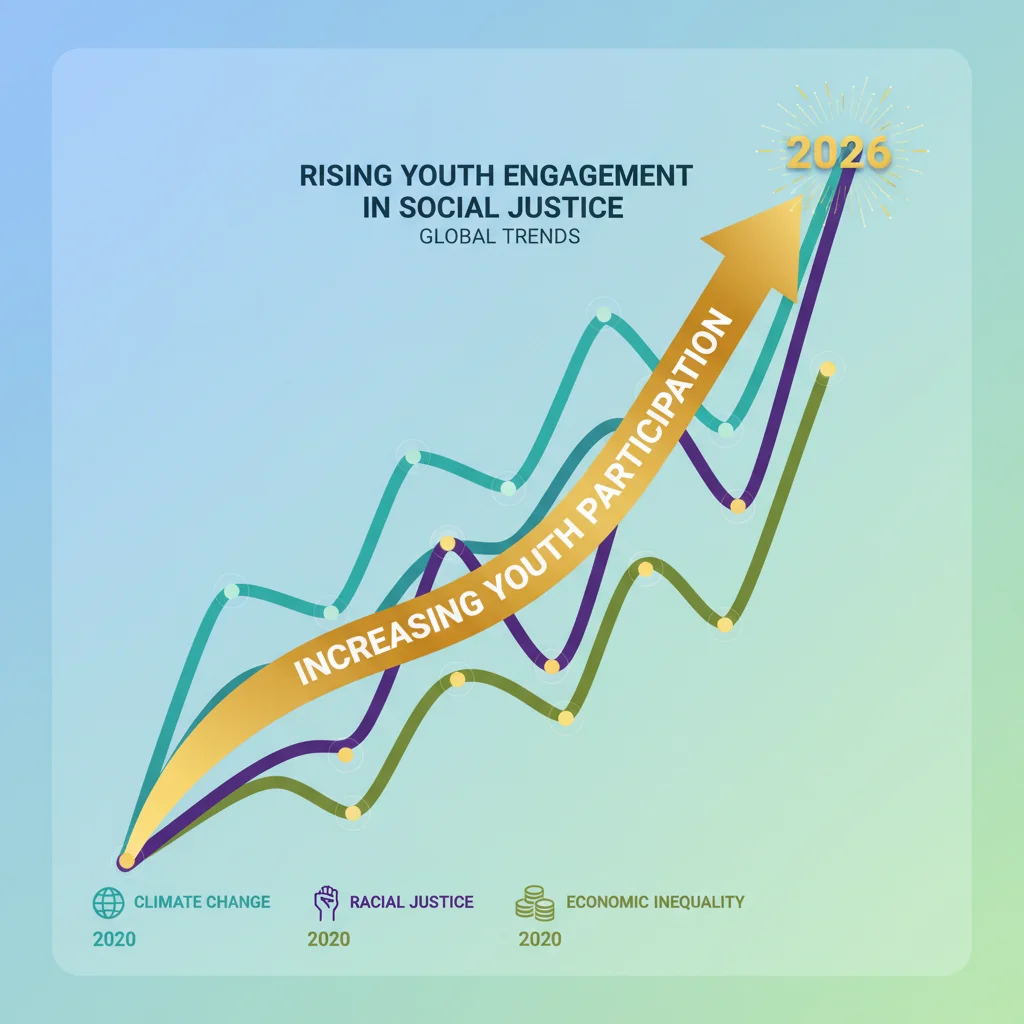
Looking ahead, youth activism 2026 is not merely a transient phenomenon but a powerful, evolving force that will continue to shape the social and political fabric of the United States. The issues young people are championing – climate action, racial equity, economic justice, and democratic integrity – are not niche concerns but fundamental challenges that demand comprehensive solutions.
Increased Political Influence
As young people become eligible to vote and increasingly engage in electoral politics, their collective power will only grow. Political candidates and parties will be forced to pay closer attention to the demands of youth movements, leading to a greater integration of their priorities into mainstream political discourse and policy platforms. The sheer demographic weight of these younger generations means their influence will be undeniable.
Innovation in Advocacy Methods
The innovative spirit of young activists will continue to drive new methods of advocacy. We can expect to see further integration of emerging technologies, perhaps even more sophisticated uses of AI and data analytics to inform campaigns and identify pressure points. The ability to adapt and innovate will keep youth activism 2026 at the cutting edge of social change.
Global Solidarity and Transnational Movements
The interconnectedness of global challenges means that youth activism 2026 will increasingly foster transnational solidarity. Young people in the U.S. will continue to connect with their peers around the world, sharing strategies, offering mutual support, and collaborating on global campaigns. This international dimension strengthens all movements and highlights the universal nature of many social justice struggles.
Conclusion: The Unstoppable Force of Youth
In 2026, youth activism stands as a testament to the power of conviction, innovation, and collective action. Young people are not waiting for change to happen; they are actively creating it, challenging the status quo, and holding power accountable. Their diverse voices, strategic use of technology, and unwavering commitment to a more just and equitable world are reshaping the social justice landscape in the U.S. While challenges remain, the energy, creativity, and determination of this generation suggest that their impact will be profound and enduring. The future, it seems, is in their capable and passionate hands.