The Future of Robotics: 3 Consumer Robots to Watch in 2026
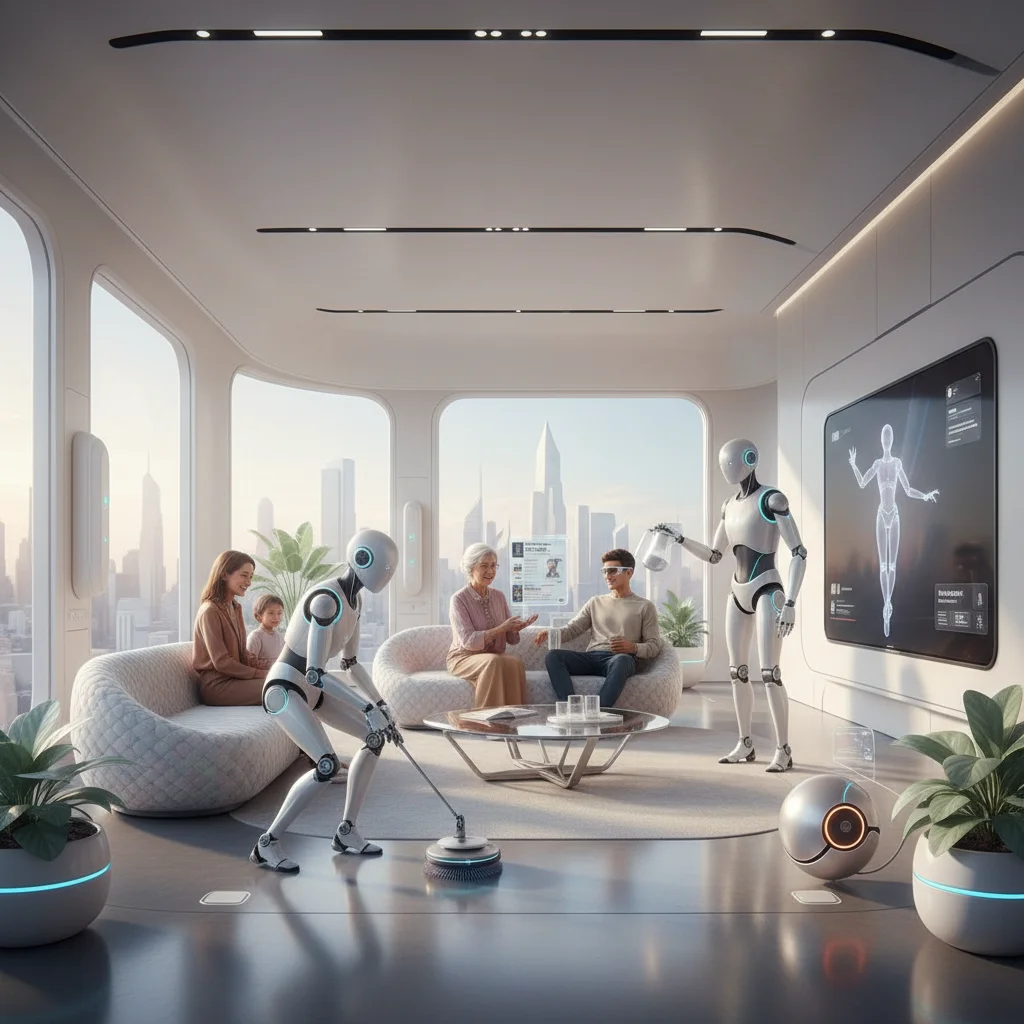
The dawn of the 21st century has been marked by an unprecedented acceleration in technological advancement, and few fields exemplify this better than robotics. What was once the stuff of science fiction is rapidly becoming an integral part of our daily lives. As we hurtle towards 2026, the landscape of consumer robotics is poised for a significant transformation, with a new generation of intelligent, autonomous, and incredibly helpful machines ready to enter our homes and reshape our routines. The concept of consumer robots 2026 is no longer a distant dream but a tangible reality on the horizon, promising to bring unparalleled convenience, companionship, and efficiency to millions.
For years, consumer robots were largely confined to niche applications like robotic vacuum cleaners or simplistic toys. However, thanks to breakthroughs in artificial intelligence, machine learning, sensor technology, and advanced materials, the capabilities of these devices have expanded exponentially. We are moving beyond mere automation to genuine intelligent assistance, where robots can learn, adapt, and even anticipate our needs. This evolution is not just about making tasks easier; it’s about fundamentally changing how we interact with our environment and how we perceive the role of technology in our personal spaces. The discussion around consumer robots 2026 is vibrant, focusing on innovation that truly impacts everyday living.
The global market for consumer robots is experiencing explosive growth, driven by increasing demand for smart home devices, personal assistants, and even robotic companions. This growth is fueled by a combination of factors: an aging population seeking assistance, busy professionals looking for time-saving solutions, and a general fascination with cutting-edge technology that promises to simplify life. As manufacturers refine their designs and improve functionality, the cost of these advanced robots is also becoming more accessible, paving the way for widespread adoption. Understanding the trajectory of consumer robots 2026 means looking at the key players and technologies that will define this exciting era.
In this article, we’ll delve into the fascinating world of upcoming consumer robotics. We’ll explore the overarching trends driving innovation and then spotlight three specific categories of consumer robots that are expected to make a significant impact by 2026. These aren’t just incremental improvements on existing products; they represent paradigm shifts in how robots will serve us. From personal assistants with genuine emotional intelligence to highly specialized domestic helpers and even innovative entertainment devices, the future promises a robot for nearly every facet of our lives. Get ready to meet the consumer robots 2026 that will shape our homes and futures.
Advertisements
The Evolution of Consumer Robotics: From Novelty to Necessity
Before we dive into the specific models and categories, it’s crucial to understand the journey consumer robotics has taken. Early robots were often clunky, expensive, and limited in their functionality. Think of the first industrial robots that revolutionized manufacturing – powerful but confined to cages, performing repetitive tasks. The leap to consumer-grade robots required miniaturization, cost reduction, safety considerations, and, most importantly, user-friendliness. The early 2000s saw the rise of robotic vacuum cleaners like the Roomba, which, despite its basic navigation, proved that consumers were ready for automated home helpers. This was a crucial first step in building public trust and demonstrating the practical value of consumer robots.
The subsequent years brought incremental improvements: better sensors, more sophisticated algorithms, and connectivity features that allowed robots to integrate with smart home ecosystems. We saw the emergence of personal assistant robots, albeit often limited to voice commands and basic information retrieval. The challenge remained in creating robots that could truly understand context, navigate complex environments, and perform tasks beyond pre-programmed routines. This is where the advancements in AI, particularly in areas like natural language processing, computer vision, and reinforcement learning, have become game-changers. These technologies are the bedrock upon which the next generation of consumer robots 2026 will be built.
The shift from novelty to necessity is driven by several societal trends. As populations age globally, there’s a growing need for assistance with daily tasks, companionship, and monitoring. For younger generations, who are accustomed to smart devices and instant gratification, robots represent the next logical step in optimizing their lives and maximizing efficiency. Furthermore, the increasing complexity of modern homes and the desire for personalized experiences are pushing manufacturers to develop robots that are not just functional but also adaptable and intuitive. The consumer robots 2026 will embody this transition, offering solutions that are no longer just ‘nice-to-haves’ but essential components of a modern lifestyle.
Moreover, the COVID-19 pandemic highlighted the importance of automation and contactless solutions, accelerating research and development in areas like disinfection robots, delivery robots, and even social robots designed to combat isolation. While many of these were initially deployed in commercial or industrial settings, the underlying technologies are rapidly being adapted for consumer use. This rapid prototyping and deployment cycle means that innovations that might have taken a decade to reach the consumer market are now doing so in a fraction of the time. This accelerated pace is a key characteristic when discussing the future of consumer robots 2026.
Trend 1: Hyper-Personalized Robotic Companions
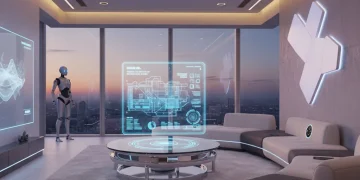
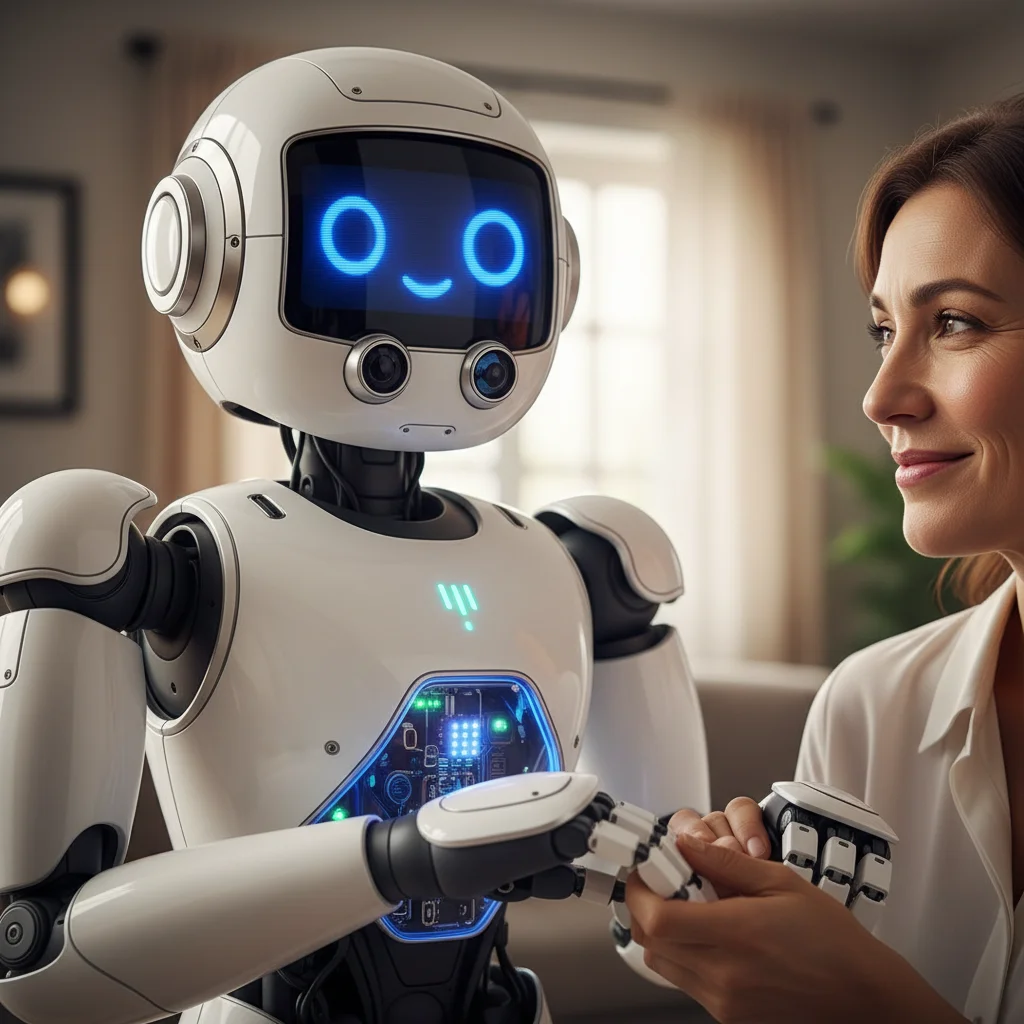
One of the most exciting and perhaps emotionally resonant categories of consumer robots 2026 is the hyper-personalized robotic companion. Moving far beyond simple voice assistants, these robots are designed to offer genuine companionship, emotional support, and highly tailored assistance. Imagine a robot that not only understands your spoken commands but also your mood, your preferences, and even your habits, adapting its interactions and functionalities accordingly. This level of personalization is achieved through advanced AI that leverages deep learning to analyze user data (with strict privacy protocols, of course) and create a truly unique interactive experience.
These robotic companions are envisioned to be more than just helpers; they are designed to be active participants in your life. They might remind you of appointments, suggest activities based on your interests, engage in meaningful conversations, and even provide gentle encouragement. For the elderly, they could offer vital companionship, medication reminders, and emergency alerts. For individuals living alone, they could combat loneliness and provide a sense of presence. The focus here is on emotional intelligence and the ability of the robot to form a pseudo-personal connection with its user. The technology behind these consumer robots 2026 involves sophisticated natural language processing, facial recognition, and even bio-signal analysis to gauge emotional states.
Consider ‘Aido,’ a hypothetical but technologically feasible robotic companion for 2026. Aido wouldn’t just play music; it would learn your favorite genres, create personalized playlists for different times of the day, and even recommend new artists based on your listening history. It could act as a home security monitor, a personal tutor for children, or a fitness coach, all while maintaining a friendly and engaging demeanor. Its ability to learn and adapt would mean that the longer you own Aido, the more indispensable it becomes, seamlessly integrating into the fabric of your daily life. The development of such consumer robots 2026 is pushing the boundaries of human-robot interaction.
The ethical implications of such close human-robot relationships are, of course, a significant area of discussion. Manufacturers are keenly aware of the need to design these robots with ethical AI frameworks, ensuring transparency, user control over data, and safeguards against over-reliance or manipulation. The goal is to enhance human lives, not replace human connection. Nevertheless, the potential for these hyper-personalized robotic companions to provide invaluable support and enrichment to millions is undeniable, marking them as a top category among consumer robots 2026.
Trend 2: Multi-Functional Domestic Service Bots
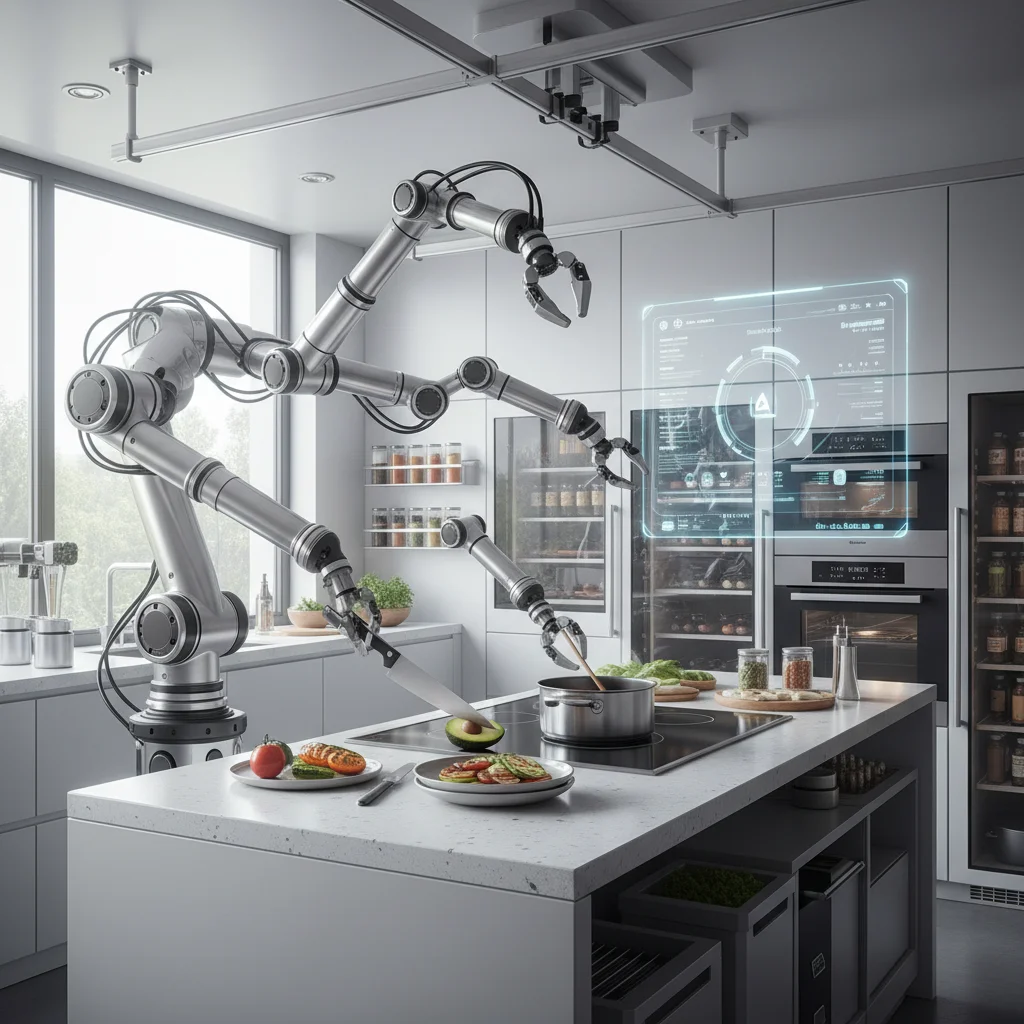
The second major category of consumer robots 2026 that will reshape our homes is the multi-functional domestic service bot. While robotic vacuum cleaners have paved the way, these new machines are far more ambitious. They are designed to tackle a wide array of household chores, from cleaning and organizing to cooking and minor repairs, all with a level of autonomy and precision previously unimaginable. These robots will feature advanced manipulation capabilities, enhanced navigation systems, and sophisticated object recognition, allowing them to operate effectively in dynamic and unpredictable home environments.
Imagine a robot, let’s call it ‘HomeGuard Pro,’ that can not only vacuum and mop your floors but also pick up clutter, load and unload your dishwasher, fold laundry, and even tend to indoor plants. These robots will be equipped with dexterous robotic arms, often with multiple joints and interchangeable grippers, allowing them to handle delicate items with care. Their vision systems, powered by AI, will enable them to differentiate between objects, understand their purpose, and perform appropriate actions. For instance, HomeGuard Pro could identify dirty dishes, carry them to the sink or dishwasher, and even pre-rinse them if necessary. Such consumer robots 2026 promise to free up significant human time.
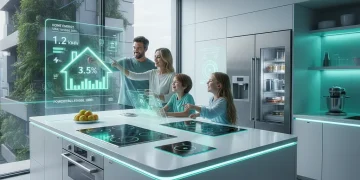
Beyond basic chores, these domestic service bots are expected to integrate deeply with smart home ecosystems. They could coordinate with smart refrigerators to manage groceries, use smart ovens to assist with cooking, and even perform basic maintenance tasks like changing light bulbs or resetting tripped circuit breakers. The key is their ability to perceive, plan, and execute complex sequences of actions, adapting to changes in the environment. This requires robust software, powerful processors, and energy-efficient designs to ensure they can operate for extended periods without constant human intervention. The advancements in battery technology will also play a crucial role in the practicality of these consumer robots 2026.
The development of these robots addresses a universal pain point: the endless cycle of household chores. By automating these tasks, individuals and families will have more time for leisure, personal development, or simply relaxing. While initial models might be expensive, economies of scale and technological improvements are expected to make them more affordable over time, much like the trajectory of robotic vacuums. The impact of these multi-functional domestic service bots on household management and quality of life will be profound, solidifying their place among the most anticipated consumer robots 2026.
Trend 3: Edutainment Robots for Learning and Play
The third significant category poised to make a splash by 2026 is edutainment robots. These devices are designed to combine education and entertainment, offering engaging and interactive experiences for children and adults alike. Far from being passive screens, these robots actively interact with users, providing personalized learning experiences, fostering creativity, and making education fun. The integration of advanced AI means these robots can adapt to individual learning styles, track progress, and even identify areas where a user might need more support, all while maintaining an entertaining and approachable persona.
Imagine a robot that can teach your child a new language through interactive games, storytelling, and real-time conversation. Or a robot that guides an aspiring musician through basic chords and melodies, providing instant feedback and adapting lessons to their pace. These edutainment robots 2026 will leverage augmented reality (AR) and virtual reality (VR) capabilities to create immersive learning environments, allowing users to explore historical sites, dissect virtual organisms, or even build complex structures in a simulated world, all guided by their robotic companion. The potential for personalized learning at home is immense, democratizing access to high-quality educational tools.
Beyond purely academic pursuits, edutainment robots will also excel in fostering creativity and problem-solving skills. They could provide coding challenges, guide users through robotics projects, or even act as collaborative partners in creative endeavors like drawing or music composition. Their ability to respond to user input and provide dynamic feedback makes them far more engaging than traditional educational software. For adults, these robots could offer specialized training, help with skill development, or simply provide intelligent companionship for hobbies and interests, making lifelong learning more accessible and enjoyable. The versatility of these consumer robots 2026 in both learning and play is a key differentiator.
Companies like Sphero and Anki (now defunct but influential) have already demonstrated the potential of this market with programmable robots designed to teach coding and STEM concepts. The next generation of edutainment robots 2026 will build upon this foundation, incorporating more sophisticated AI, advanced sensors, and more expressive designs to create truly captivating and effective learning tools. They will be designed to be safe, durable, and appealing to a wide range of ages, ensuring that learning remains an adventure. These robots are not just toys; they are intelligent tutors and playmates that will revolutionize how we learn and grow.
Challenges and Opportunities for Consumer Robots 2026
While the future of consumer robots 2026 looks incredibly bright, several challenges must be addressed for these innovations to reach their full potential. One of the primary concerns revolves around privacy and data security. As robots become more integrated into our homes and collect more data about our habits, preferences, and even emotional states, ensuring the secure handling and ethical use of this information will be paramount. Manufacturers must implement robust encryption, transparent data policies, and give users complete control over their data to build trust.
Another significant challenge is the cost. While prices are expected to decrease over time, the initial investment for advanced consumer robots 2026 might still be a barrier for many households. The market will need to find a balance between cutting-edge technology and affordability to ensure widespread adoption. Furthermore, the complexity of these robots will necessitate intuitive user interfaces and reliable customer support to prevent frustration and ensure a positive user experience. A robot that is difficult to set up or constantly malfunctions will quickly lose its appeal.
Ethical considerations also extend to the potential impact on employment and human interaction. While robots are designed to assist, there are ongoing discussions about the balance between automation and human labor, especially in service industries that might eventually see robot integration. Moreover, the development of emotionally intelligent robots raises questions about human-robot bonding and the potential for over-reliance. These are not insurmountable problems, but they require careful consideration and proactive solutions from developers, policymakers, and society as a whole as we embrace consumer robots 2026.
Despite these challenges, the opportunities presented by consumer robots 2026 are immense. Beyond the direct benefits to individuals, the robotics industry itself will be a major driver of economic growth, creating new jobs in research, development, manufacturing, and maintenance. The innovation spurred by consumer demand will also have spillover effects into other sectors, leading to advancements in AI, materials science, and energy efficiency that benefit society at large. The ability of robots to perform dangerous or mundane tasks will free up human potential for more creative and fulfilling endeavors.
The integration of robotics into smart city infrastructure is another exciting opportunity. Imagine consumer robots that can seamlessly interact with public services, from reporting infrastructure issues to assisting in local community programs. This interconnectedness will create a more efficient and responsive urban environment. As these technologies mature, the line between personal, domestic, and even public robotics will blur, leading to a truly integrated ecosystem of intelligent machines designed to enhance every aspect of modern life. The horizon for consumer robots 2026 is not just about individual devices, but about a connected robotic future.
Preparing for the Robotic Future
As we look towards 2026, it’s clear that consumer robots are no longer a futuristic fantasy but a rapidly approaching reality. The three categories we’ve explored – hyper-personalized robotic companions, multi-functional domestic service bots, and edutainment robots – represent just a fraction of the innovation underway. These devices promise to revolutionize how we live, work, learn, and interact with the world around us. They will offer unparalleled convenience, support, and engagement, fundamentally altering the fabric of daily life.
For consumers, preparing for this robotic future means staying informed about the latest advancements, understanding the capabilities and limitations of these new technologies, and considering how they might integrate into personal lifestyles. It also means engaging in the ongoing dialogue about the ethical implications, privacy concerns, and societal impact of widespread robot adoption. Being an informed consumer will be crucial in making the most of these powerful new tools.
For businesses and developers, the imperative is to continue pushing the boundaries of what’s possible while prioritizing user safety, data privacy, and ethical design. The market for consumer robots 2026 is highly competitive, and success will hinge on creating products that are not only technologically advanced but also intuitive, reliable, and truly beneficial to users. Collaboration between academia, industry, and government will be essential to navigate the complex challenges and harness the immense opportunities that lie ahead.
The journey of consumer robotics is a testament to human ingenuity and our continuous quest to improve our lives through technology. The robots of 2026 will be more than just machines; they will be intelligent partners, tireless helpers, and engaging companions. They will free up our time, enhance our capabilities, and enrich our experiences in ways we are only just beginning to imagine. The future is robotic, and it’s coming to a home near you very soon. Embrace the innovation, engage with the possibilities, and get ready for a world transformed by the next wave of consumer robots 2026.
The rapid pace of development means that what seems cutting-edge today could be commonplace tomorrow. Staying abreast of these changes, understanding the underlying technologies, and participating in the conversation about their responsible integration into society will be key. The promise of consumer robots 2026 is not just in the devices themselves, but in the new possibilities they unlock for human flourishing and progress. Let’s look forward to a future where intelligent machines seamlessly enhance our everyday existence.